Our Trajectory

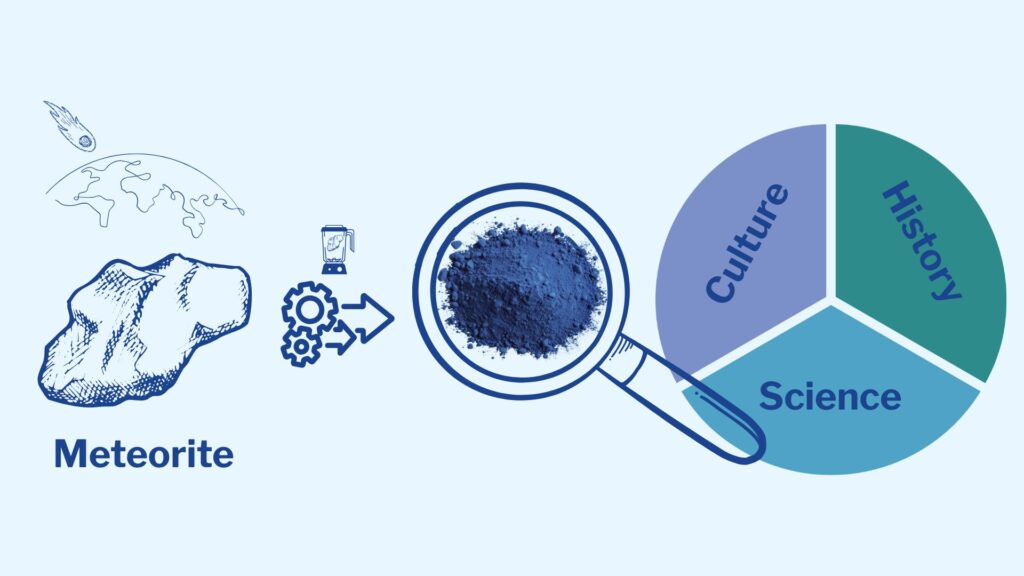
MeteoriteMixology is where space rocks intersect with science, history, and culture. When a meteorite falls to Earth, it does more than strike the ground. It subtly disturbs the fabric of human society, rippling through imagination, knowledge, and belief in ways both seen and unforeseen.

Our aim is to slow that moment down. To break the whole into its smallest pieces, to examine each fragment with care, and to help these extraterrestrial visitors find their place within our world, while helping us better understand ours through them.

Latest Publication

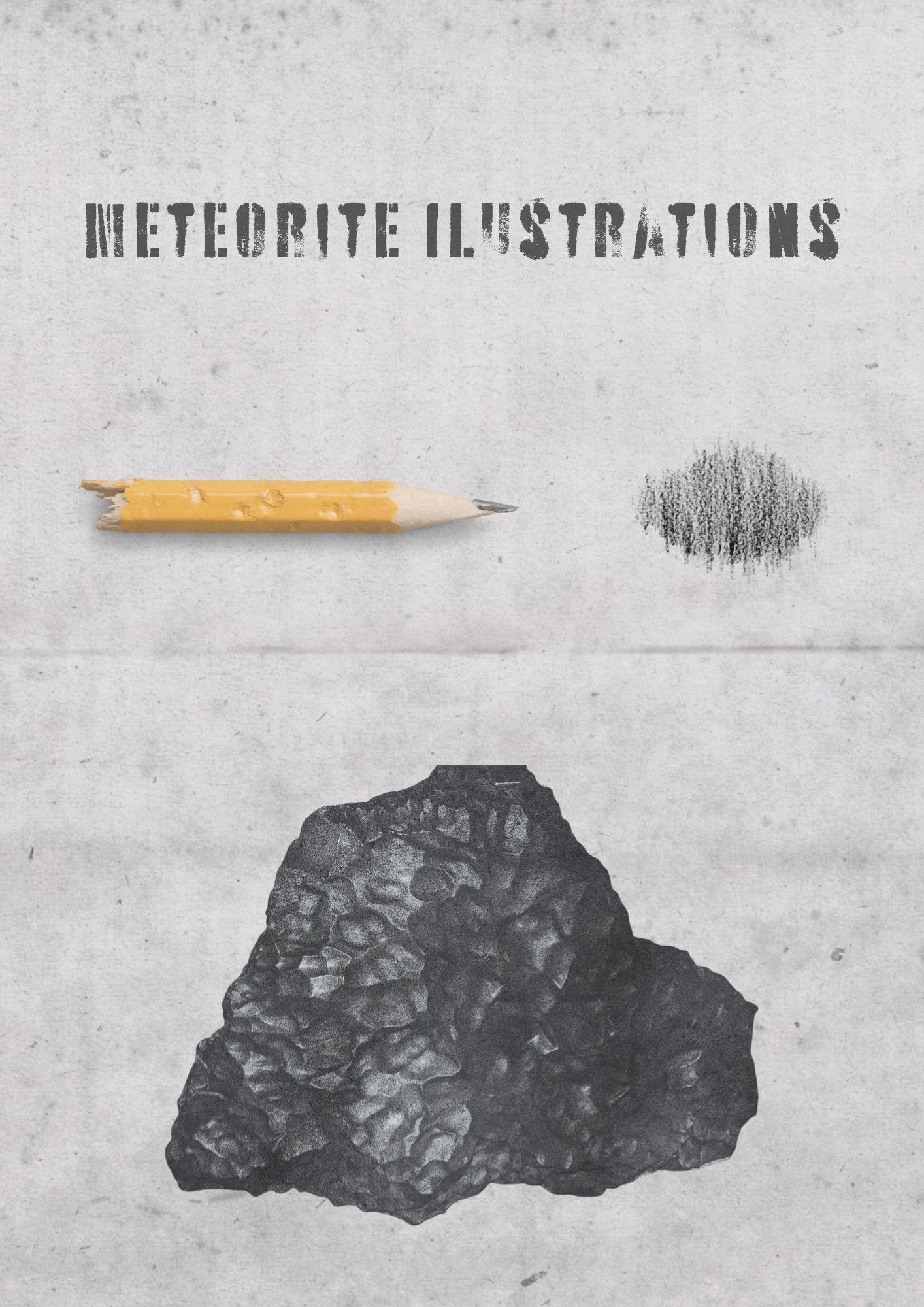
This visual journey follows the quiet signals embedded in drawings of falling stones, tracing how different eras perceived these visitors from the sky and folded them into belief, science, and art. It revisits these images to stir perception and invite reflection on what once shaped the world, and what signals may still be rising today.


Recent Publications

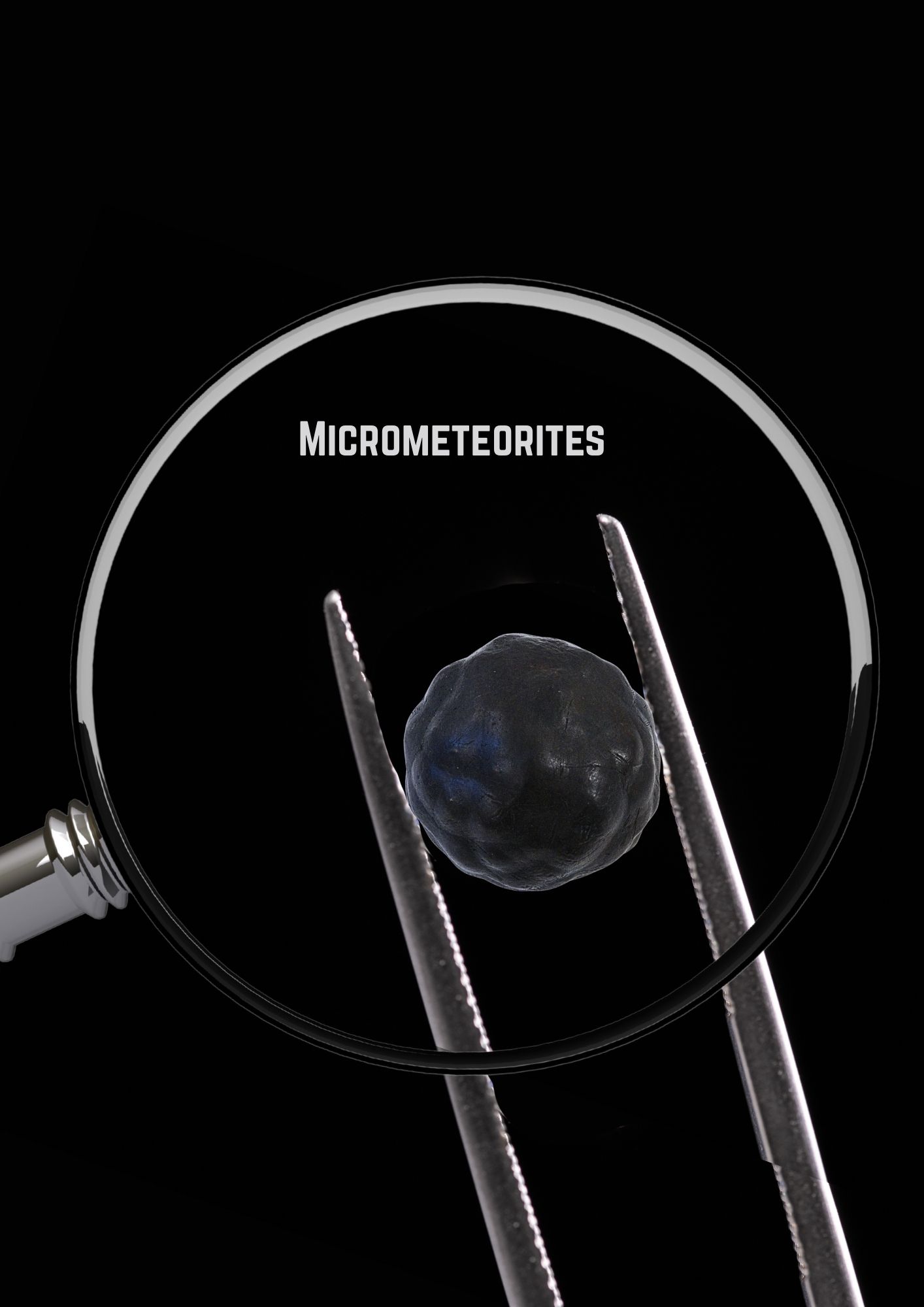
Messengers From Above Series -Micrometeorites

Exploring how micrometeorites and ordinary dust blur the boundary between the cosmic and the human, and how recent shifts in perspective invite us to recognize outer space as something that quietly inhabits our everyday world.

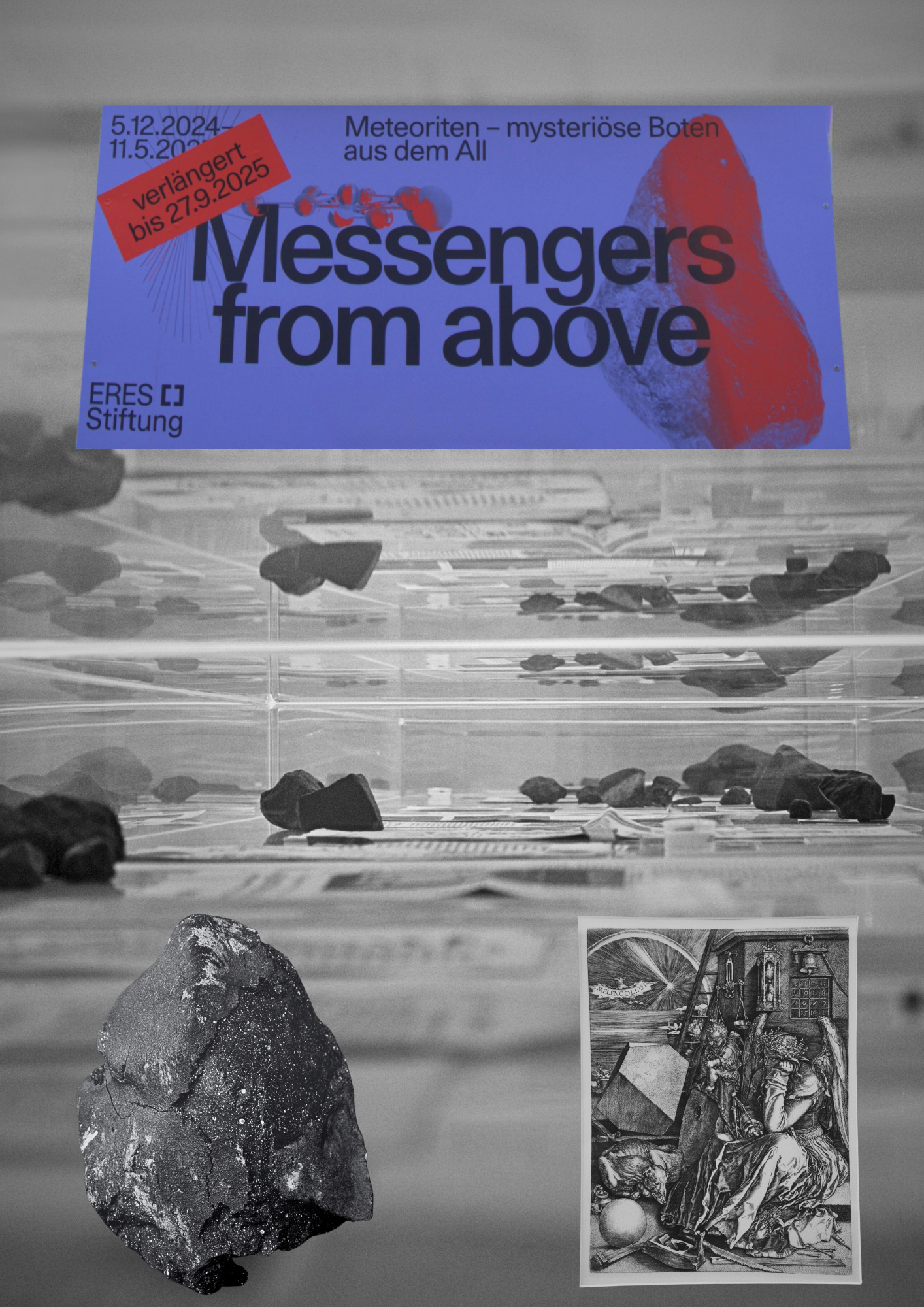
Messengers From Above Series -Murchison & Melencolia I

Murchison: A modest meteorite holding the building blocks of life, revealing our cosmic origins. Melencolia I: Dürer’s angel wrestles with doubt as a blazing meteor reminds us the universe moves beyond certainty.

Messengers From Above Series - Visitors or Guests?

Olaf Nicolai’s “Visitor, be my guest” (2015) invites us to host a meteorite that has traveled billions of kilometers, transforming a scientific relic into an intimate encounter where the cosmic and human worlds quietly meet.

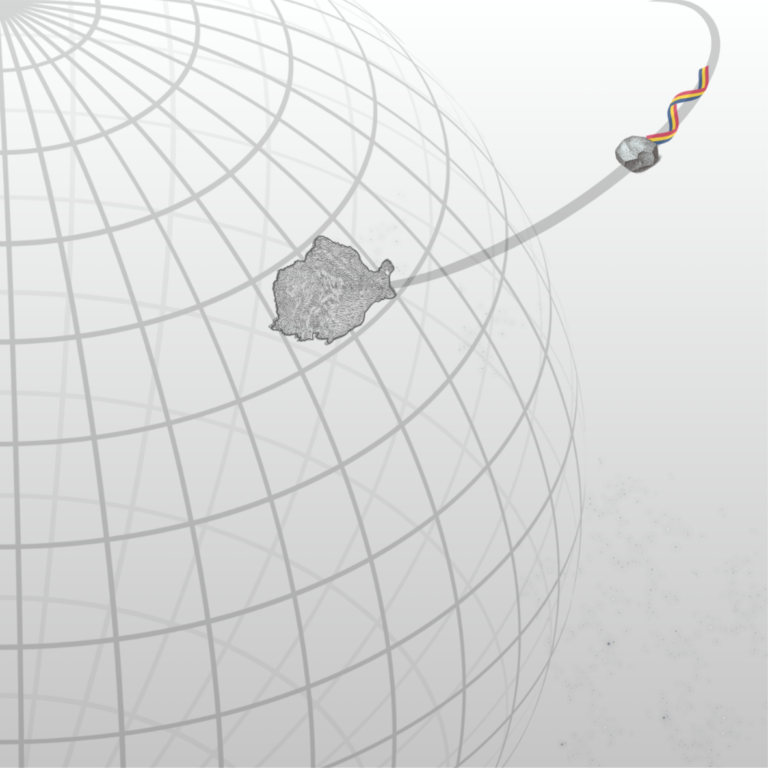
Romanian Meteorites


Why Romania?

Because many of its most significant meteorite falls occurred just as meteoritics was emerging as a rigorous scientific discipline. These events were not vague legends from the distant past; they were witnessed, documented, and investigated at a time when the field was gaining momentum and analytical methods were becoming more refined.

The setting adds another layer. Several falls took place in Transylvania, a region rich in folklore, where celestial fireballs were bound to stir more than scientific curiosity. Yet the response was remarkably modern: fragments were collected, analyzed, and sent to leading laboratories across Europe.

For us, this is where it gets interesting. Romania’s meteorites sit at the intersection of empirical science and cultural context, cosmic material arriving in a landscape steeped in myth, then traveling onward into the heart of global research. It is meteoritics, history, and culture with real substance.

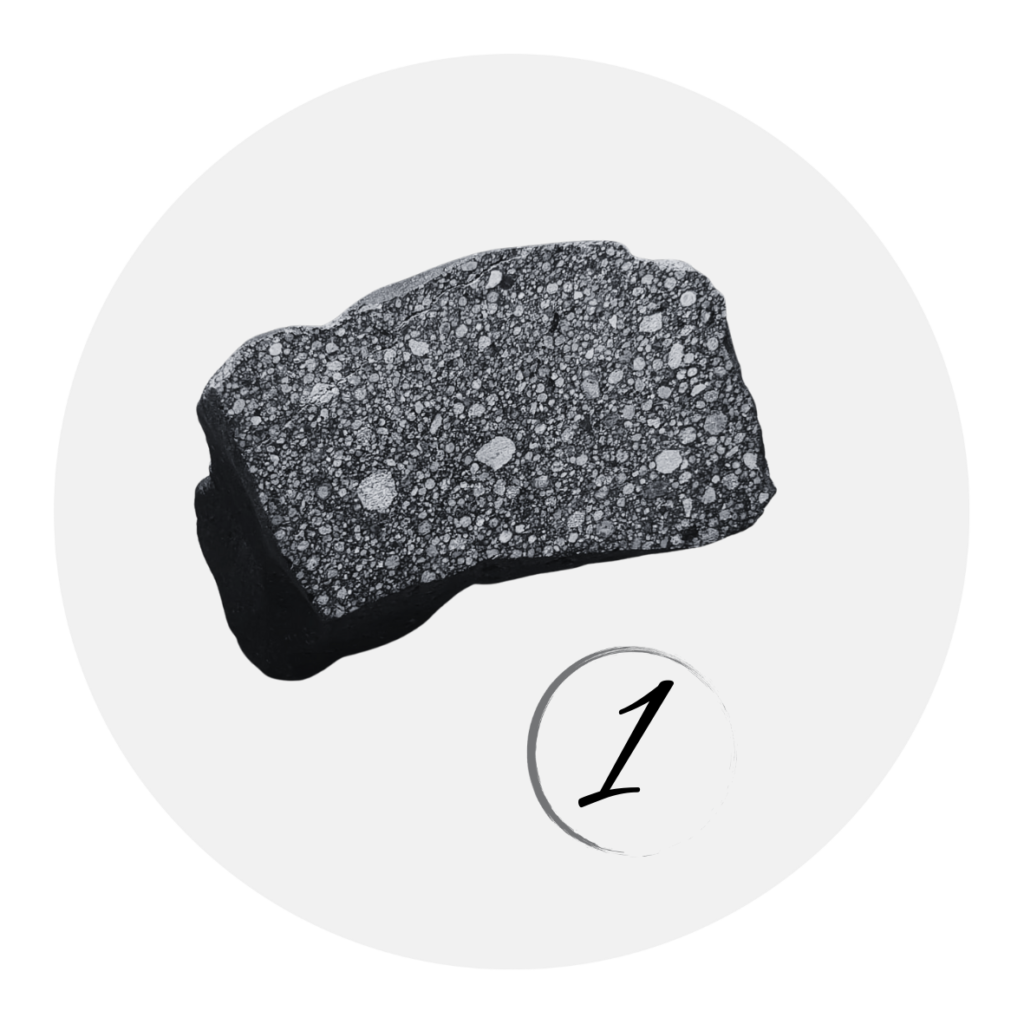
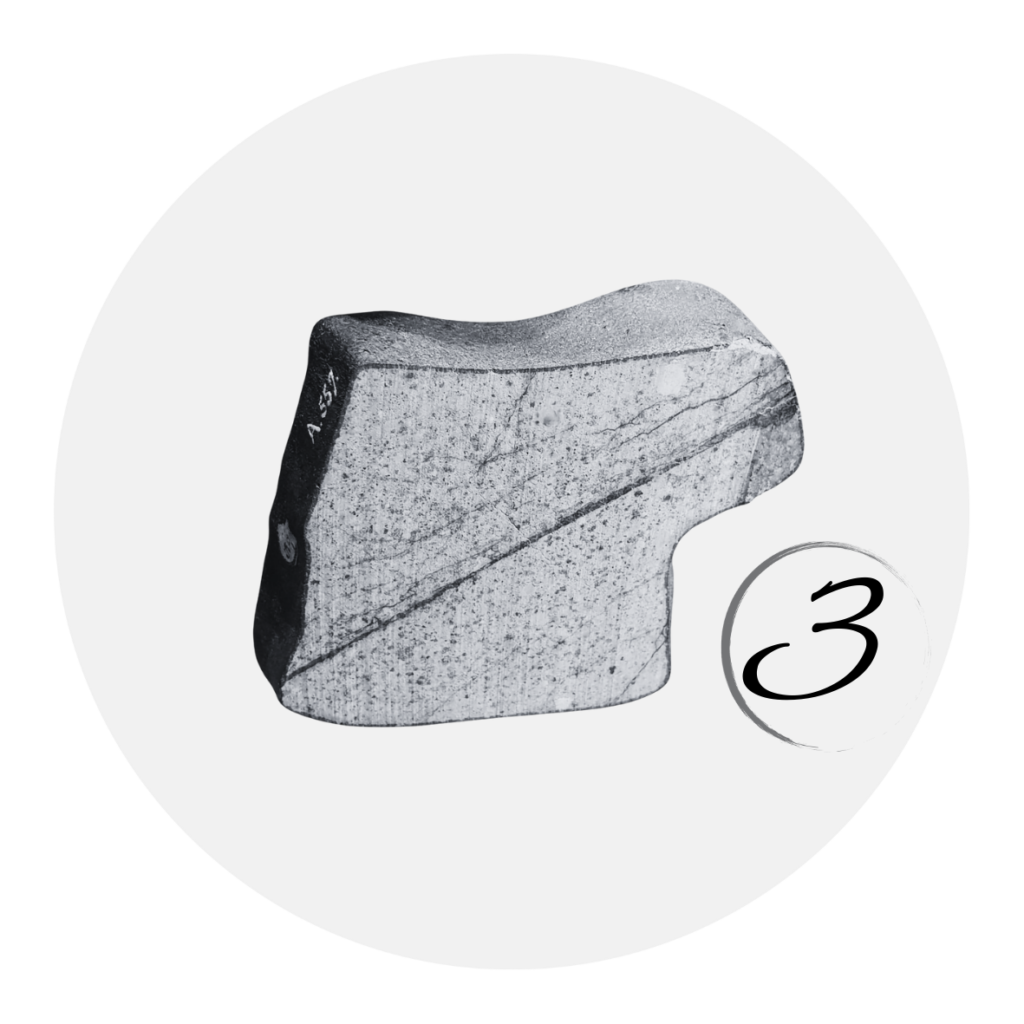
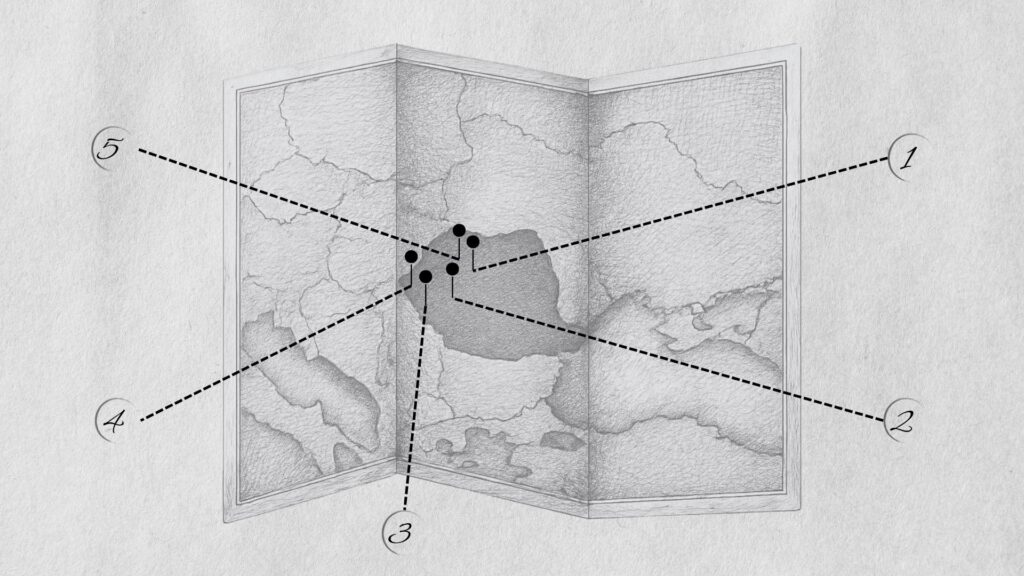
Mezö-Madaras – 1852

Ohaba – 1857

Kakowa – 1858

Zsadany – 1875

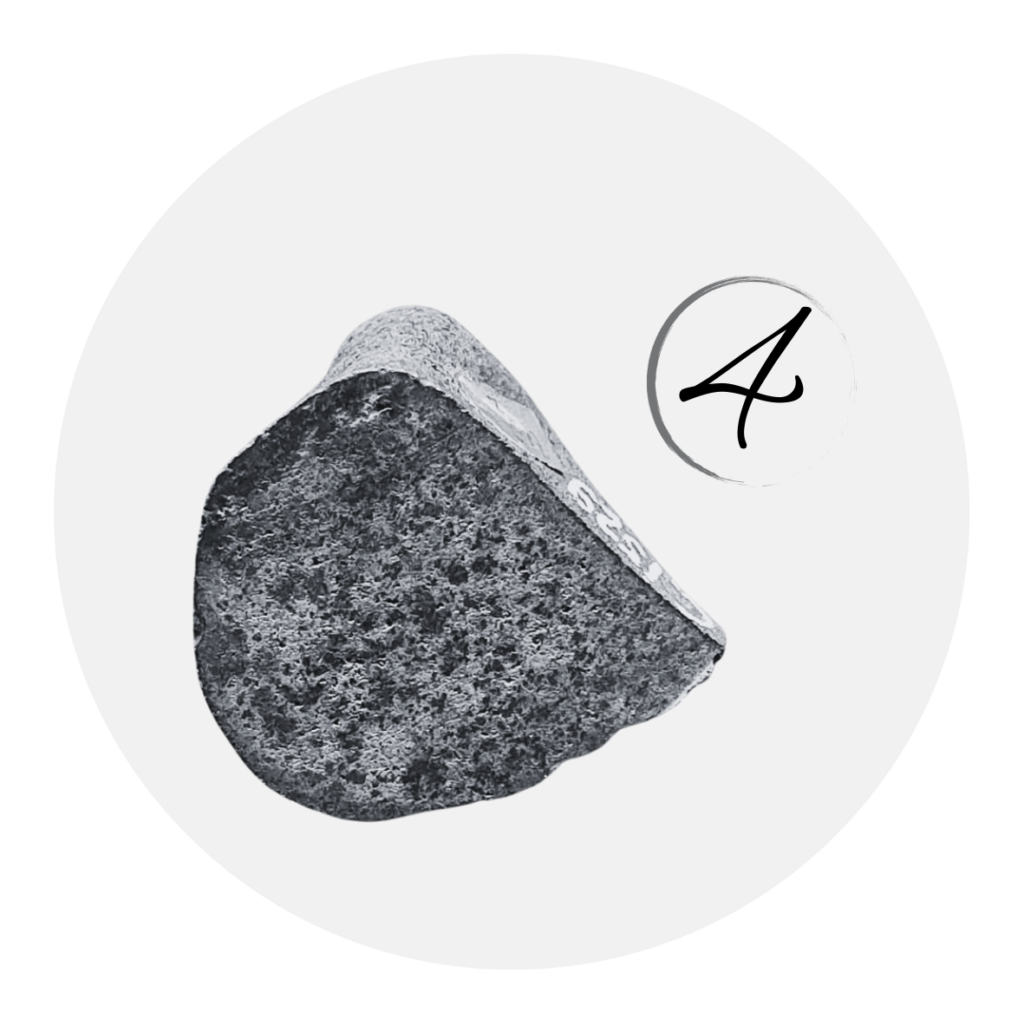
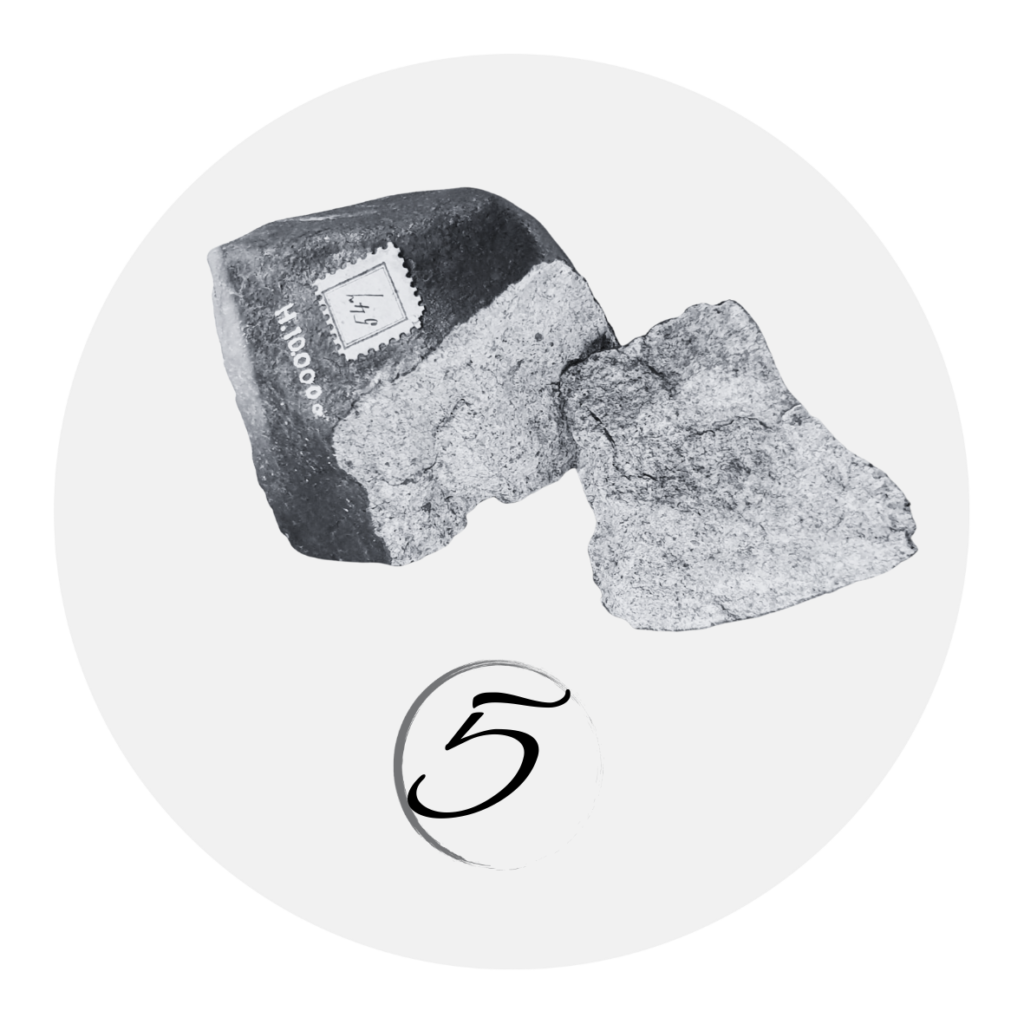
Mocs – 1882

Some of the documented meteorite fall sites across Romania